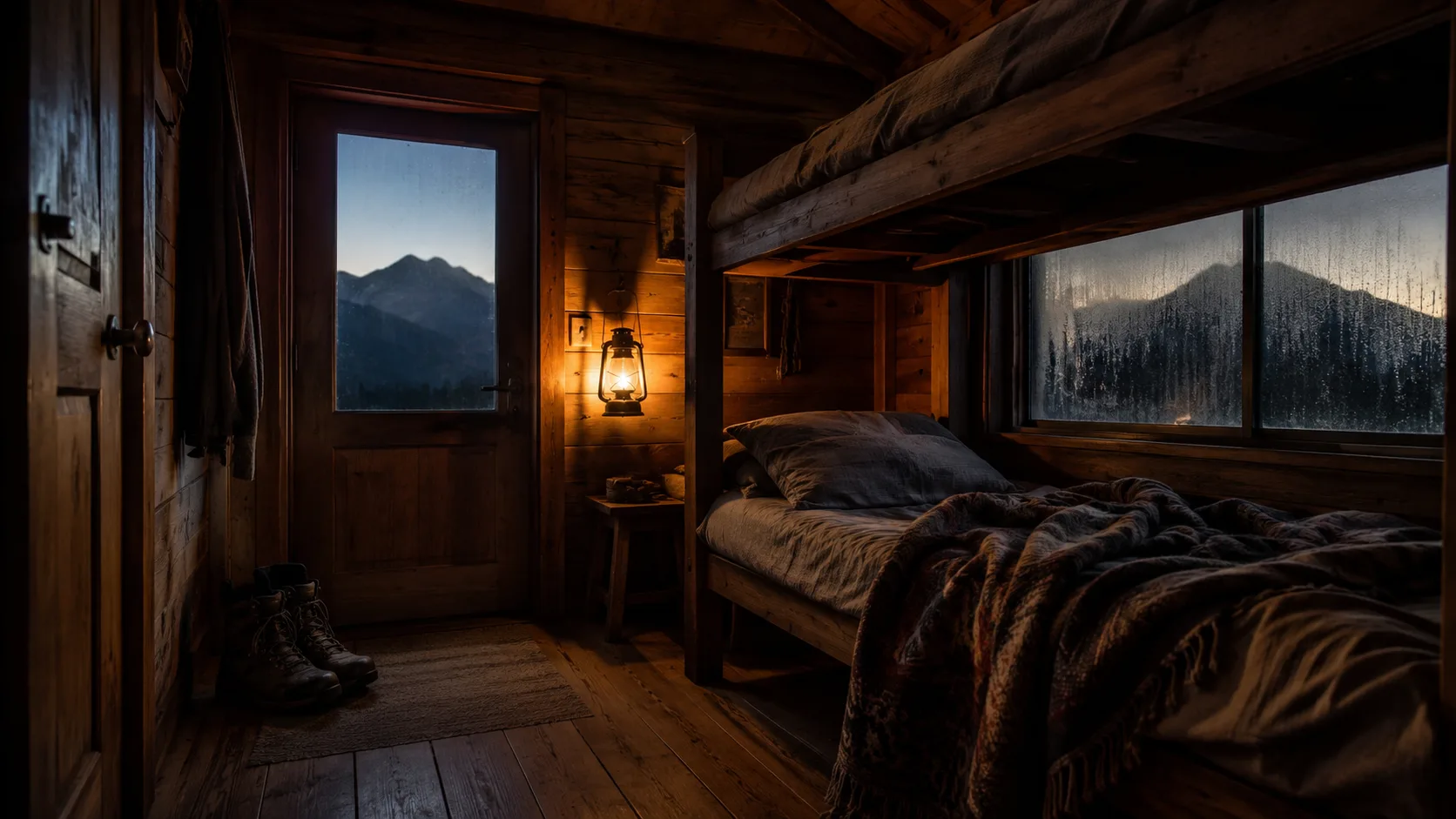
Rifugio Bolzano
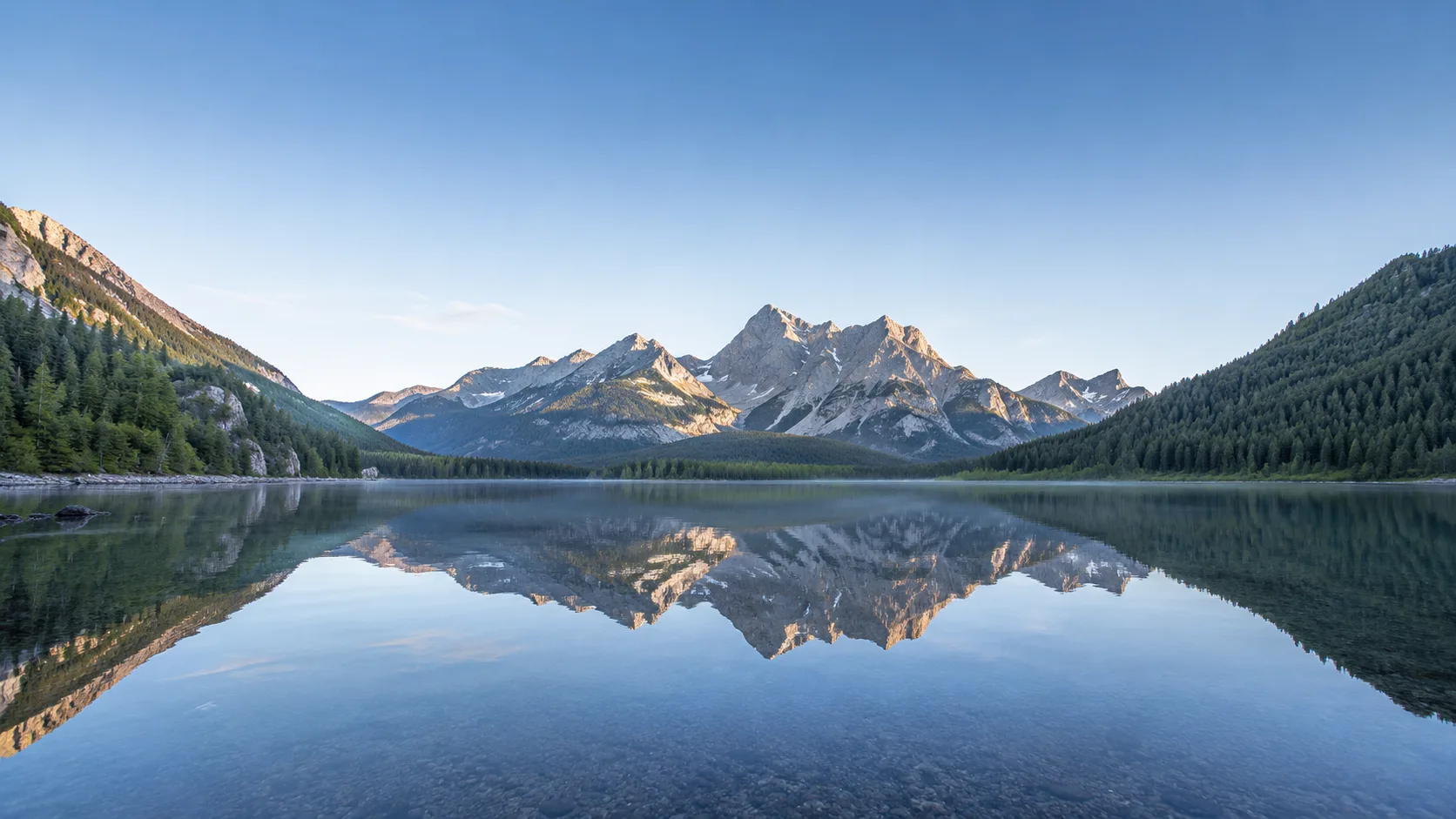
2,450 mThe oldest hut on the Schlern, run by the same family since 1955. Shared bunk rooms of 4–8, blankets provided, a wood-panelled dining room that smells of fresh bread.
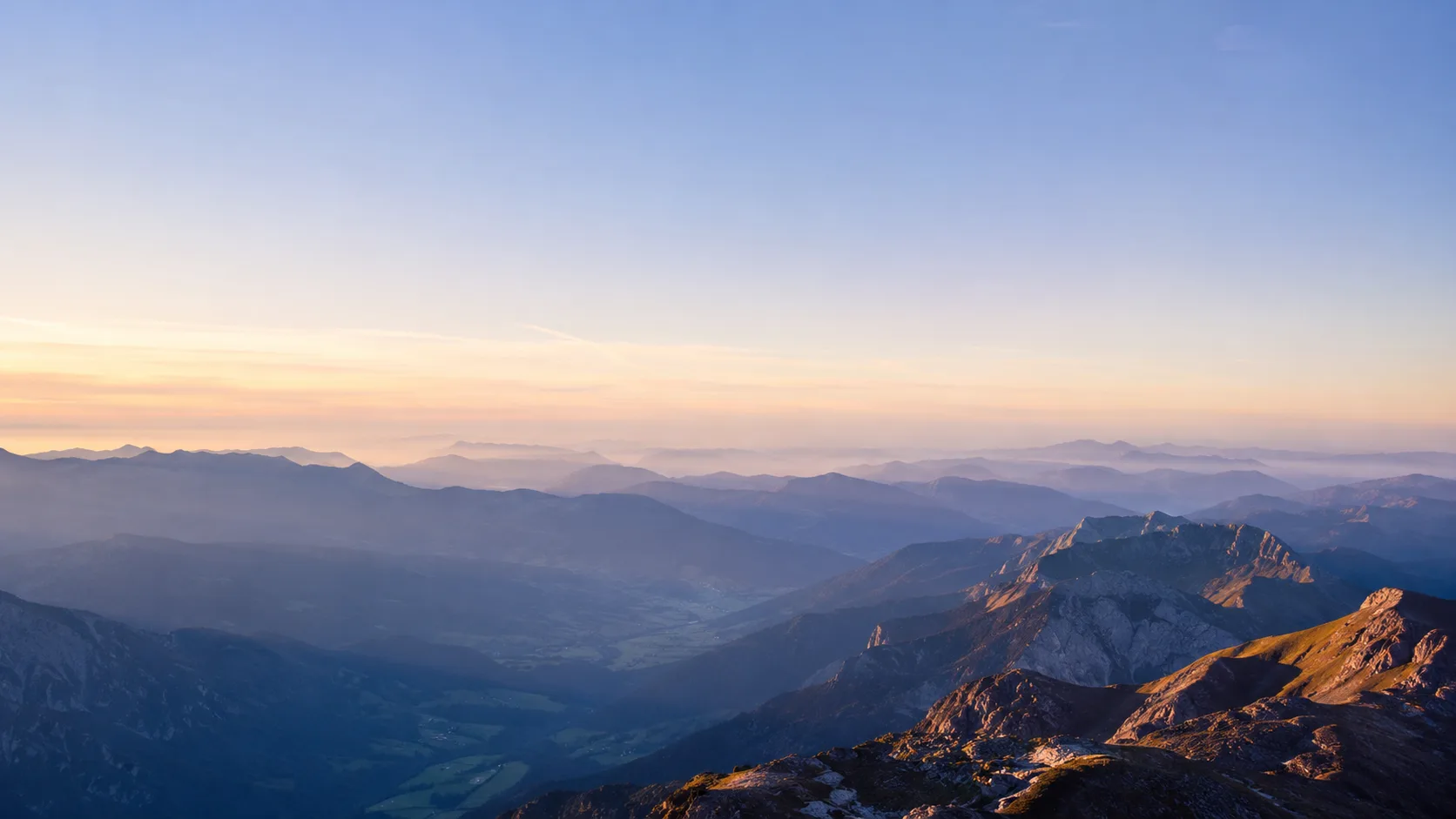
Nine days ridge-to-ridge across the Italian Dolomites — no tent, no resupply, no second-guessing the weather. You walk; we carry the logistics. Every night ends at a warm rifugio.
As featured in
The Dolomites are not one mountain — they are a hundred pale towers crowded into a corner of northern Italy, and the High Route threads a line between them. You start on the rolling pastureland of the Alpe di Siusi, climb through the Sassolungo group, cross Passo Gardena at 2,121m, and finish nine days later beneath the three sheer cliffs of the Tre Cime di Lavaredo.
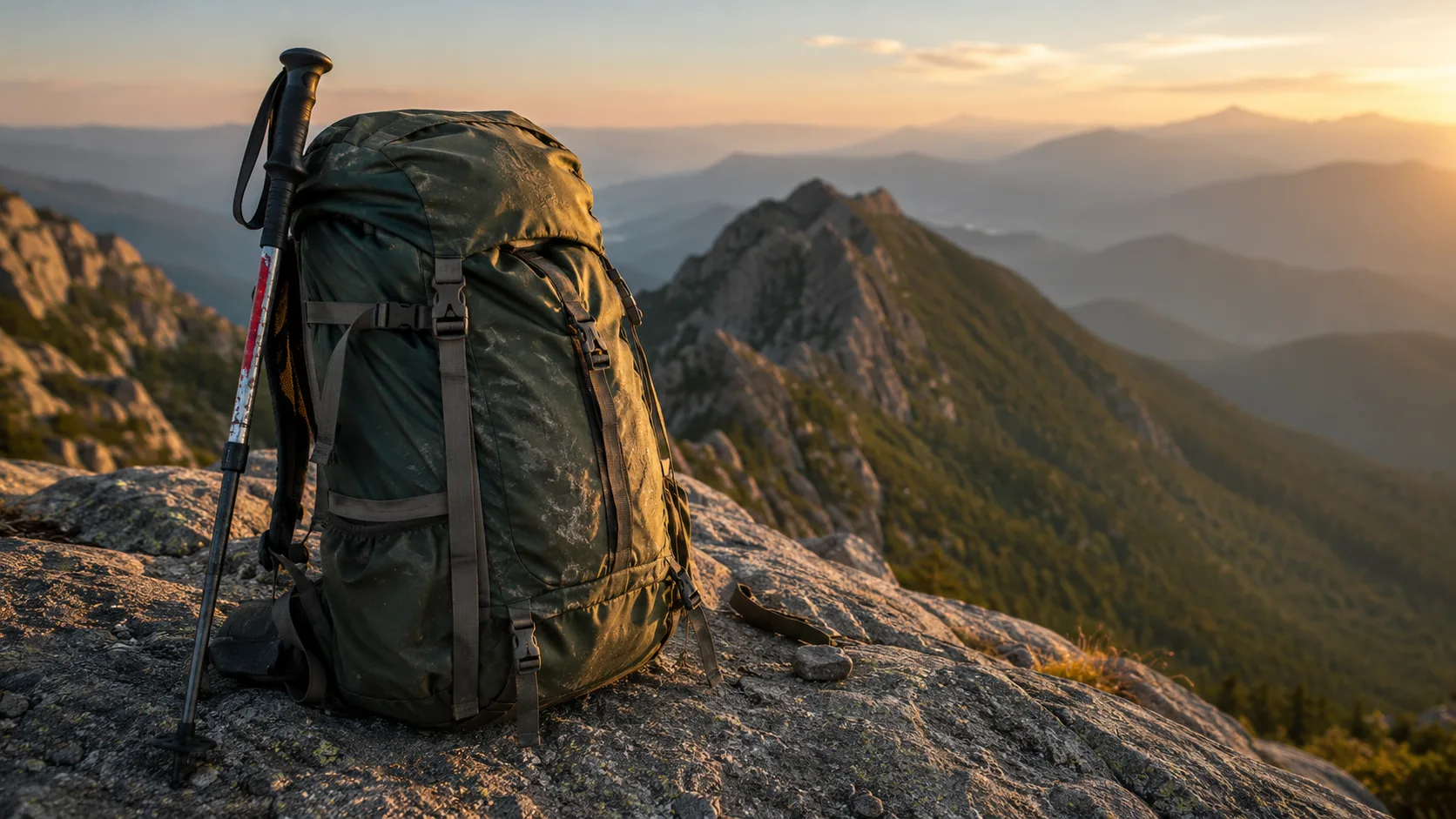
It is a hut-to-hut trek, and that changes everything. You carry a 7kg daypack — a fleece, a shell, water, lunch — and nothing else. Every night a rifugio is waiting with a bunk, a hot shower, a three-course dinner and a glass of something local. Total ascent across the route is 6,840m; the hardest single day, the summit of Cima di Mezzo, is 1,340m of climbing to a col that sits at 2,994m.
Twelve walkers, two IFMGA guides, one fixed route we have run since 1998. We pace it so the strong days are short and the long days are gentle. You bring the legs and the curiosity. We bring the rest.
Distances and ascent are measured, not estimated — pulled from the GPS tracks our guides log every season. Walking hours assume a steady, conversational pace with stops.
Meet your guides in Ortisei at 16:00 for kit checks and a gentle leg-stretch up to the meadow rim. Welcome dinner at the valley hotel — the last bed with a private bathroom for a week.
The widest high pasture in the Alps, with the Sassolungo towers ahead all day. We climb the Schlern massif's flank to a 2,450m refuge perched on the plateau edge — sunset over the Catinaccio is the reward.
A loop beneath the Sassolungo's vertical walls, scrambling over old scree fields where the rock is fractured pale and sharp. Short day on purpose — legs need it before the pass crossings begin.
The route's first big pass at 2,121m, then a long traverse onto the lunar limestone tableland of the Puez. Night at Rifugio Puez, a small stone hut with no road for ten kilometres in any direction.
A high, exposed crossing of the plateau with two minor cols and views east to tomorrow's summit. We arrive early at Rifugio Genova to rest, eat well, and brief the climb.
The big one. A pre-dawn start, a steady switchback climb, and a final airy ridge — non-technical but exposed — to a col just shy of 3,000m. On a clear morning the whole range lays out below you; it was −6°C at the col last June. Down to Rifugio Firenze for a long, well-earned dinner.
A recovery day — mostly downhill through larch forest into the green Funes valley, beneath the famous Odle spires. Spruce, cowbells, and a long lunch at a working dairy farm.
From the emerald water of Lago di Braies we climb toward the most photographed cliffs in the Alps. Night at Rifugio Locatelli, directly across the cirque from the three towers.
A morning loop around the base of the Tre Cime di Lavaredo, then transfer to Cortina d'Ampezzo. Farewell lunch at 14:00; trip ends mid-afternoon for onward travel.
No surprises at the trailhead. The price covers everything between the welcome dinner and the farewell lunch. Here is the exact line.
half-board, every night
hot showers · drying rooms
The oldest hut on the Schlern, run by the same family since 1955. Shared bunk rooms of 4–8, blankets provided, a wood-panelled dining room that smells of fresh bread.
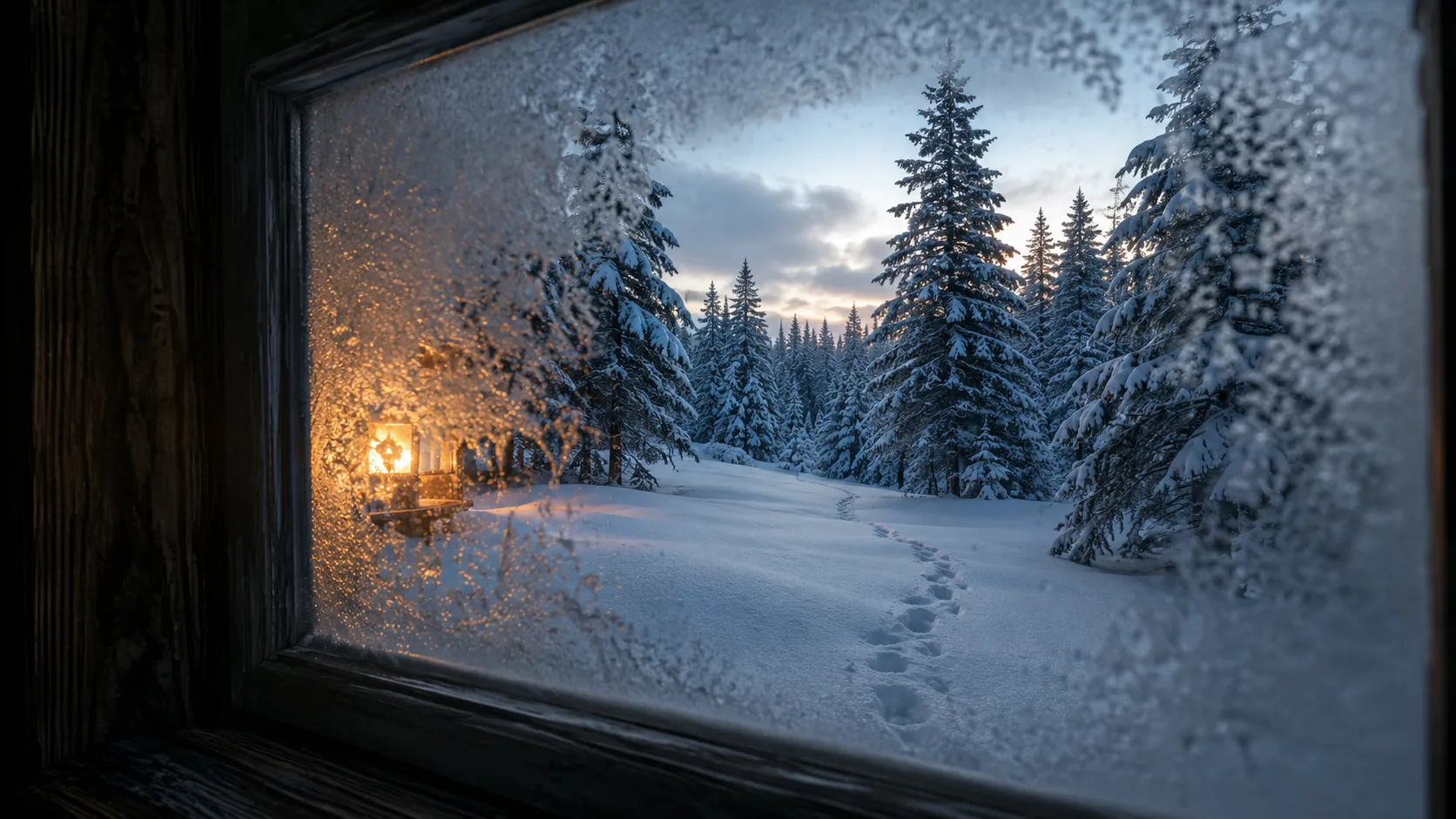
A small stone refuge marooned on the limestone plateau — the most remote night of the route. Compact dormitories, candle-lit if the generator sleeps, and the deepest silence you'll meet.
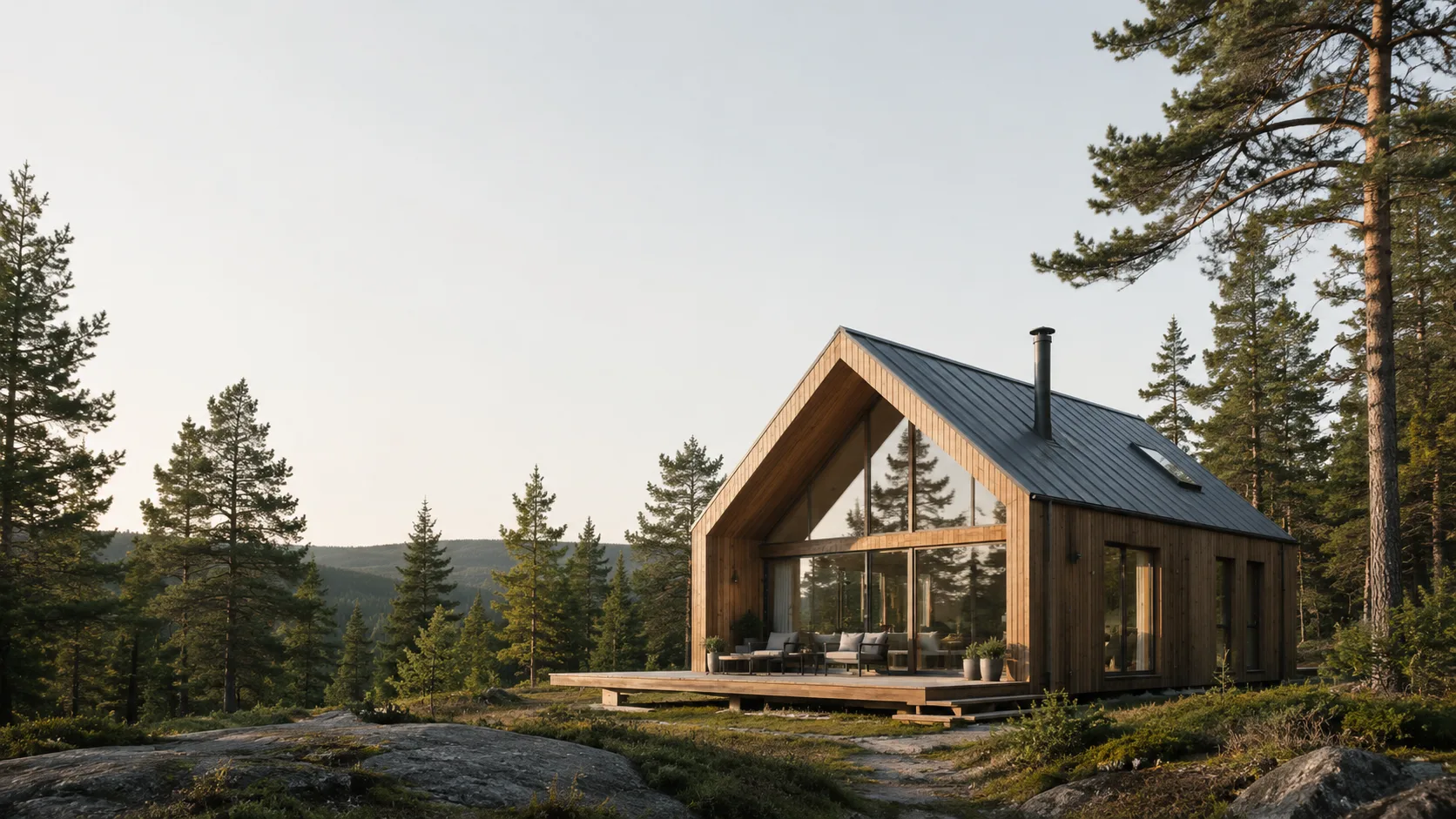
Where you land after summit day. Larger and warmer, with a few twin rooms we reserve first for couples, a proper bar, and a sun terrace built for tired legs.
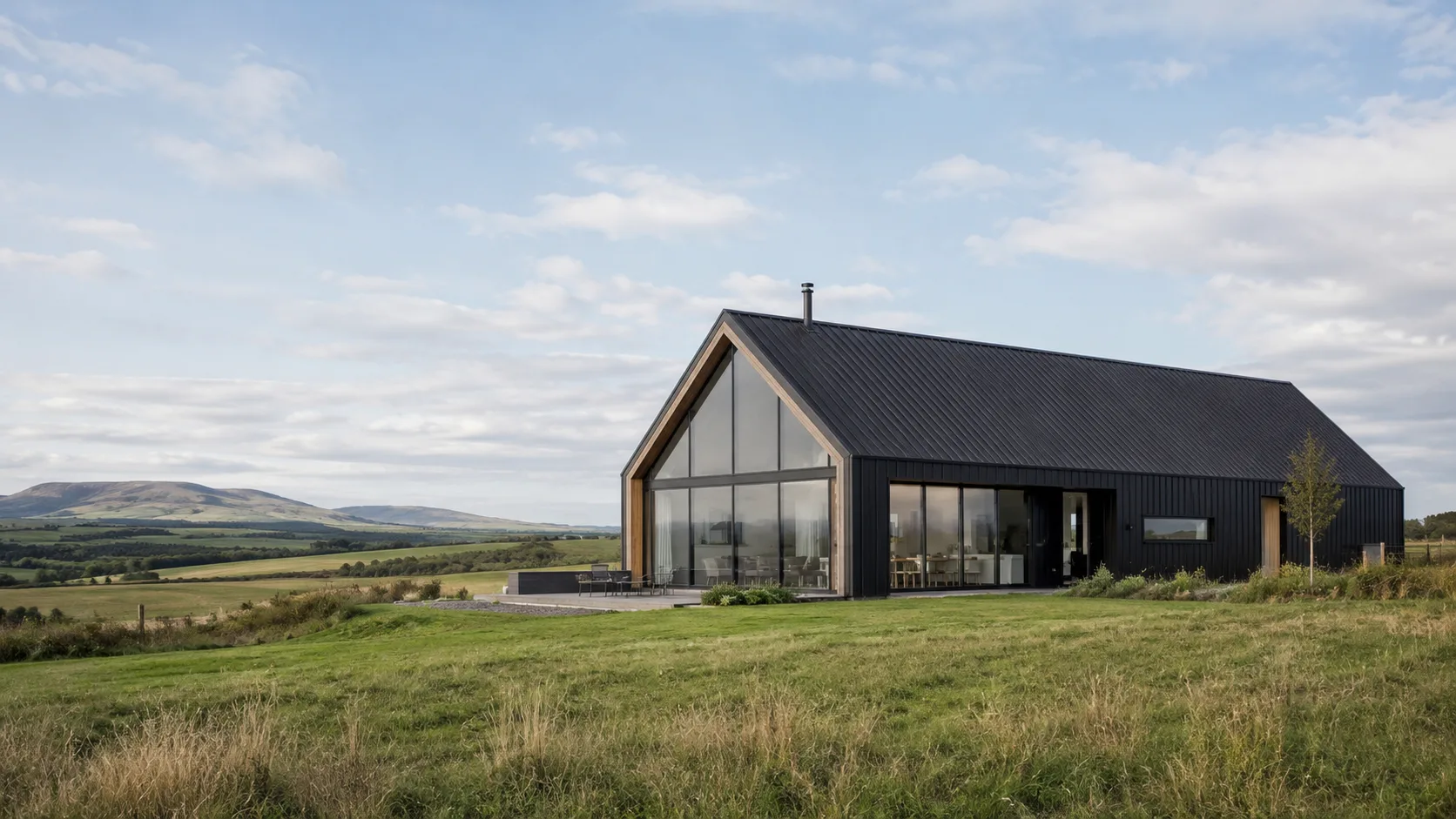
The grand finale — perched dead opposite the Tre Cime di Lavaredo. Dorms of 6–10, an enormous dining hall, and a window that frames the three towers at first light.
Both hold the IFMGA carnet — the international mountain-guide qualification — and both have walked the Dolomites High Route more times than they can count. They lead, they cook breakfast jokes, they read the weather.
IFMGA · LEAD GUIDE
Born in the Val Gardena, Lukas has guided the Dolomites for two decades and skied its couloirs in winter. He paces a group like a metronome and knows which rifugio cook makes the best canederli.
IFMGA · MOUNTAIN GUIDE
A Chamonix-trained guide who came to the Dolomites for the rock and stayed for the light. Margaux runs the summit-day briefings and is the calmest voice you'll hear on an exposed ridge.
Twelve places per departure. July and August fill first; June and September walk in cooler air with thinner trails. Prices are per person, twin-share at the huts.
8 nights' half-board accommodation, every breakfast, dinner and trail lunch, two IFMGA guides for the full nine days, all on-route transfers and cable cars, valley-to-valley luggage transport, and the final transfer to Cortina. June and September departures run $2,890; peak July–August dates are $3,150.
A $450 deposit secures your place. The balance is due 60 days before departure. Book within 60 days and the full amount is payable at the time of booking.
The huts open in June and shutter at the end of September. Within that window, conditions shift week to week. Here is what each part of the season actually feels like underfoot.
Our pick — mid-June for wildflowers and quiet trails, or September for crisp air, clear summits and the year's best light.
Average of 2,104 verified reviews from walkers on the Dolomites High Route since 2019. 96% would recommend the trip to a friend.
"I'd never walked above 2,500m and the summit day terrified me on paper. Margaux talked the whole group up that ridge like it was nothing. Standing at the col at −6°C with the entire range below us — that's a morning I'll have forever."
"Came solo, worried I'd feel like a spare part. By Day 3 we were a proper little crew swapping snacks and blister tape. The 7kg daypack is the genius of it — you actually look up at the mountains instead of at your own boots."
"Rifugio Puez at night, no road for miles, the Milky Way overhead — my wife and I have walked a lot of trails and that hour is near the top of the list. Lukas reads weather like a book; he flipped two days around to dodge a storm and we never got wet."
"Switchback got the pacing exactly right — the brutal days are short, the long days are flat. I'm 58 and trained for three months; I never once felt rushed or held back. The canederli at Rifugio Bolzano alone are worth the airfare."
hut-to-hut · small groups
guided since 1994
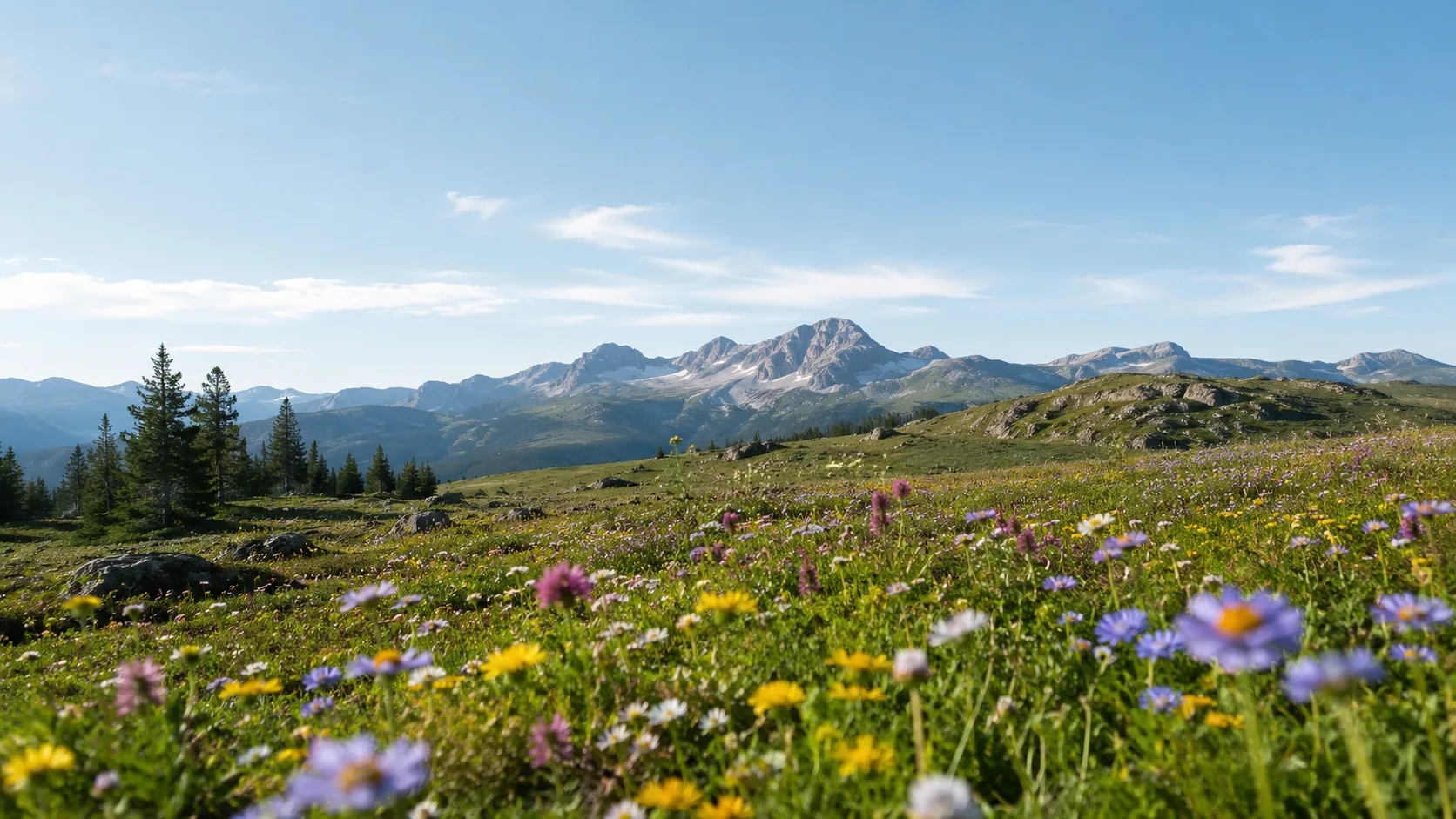
The classic circuit of the Mont Blanc massif — France, Italy, Switzerland on foot.
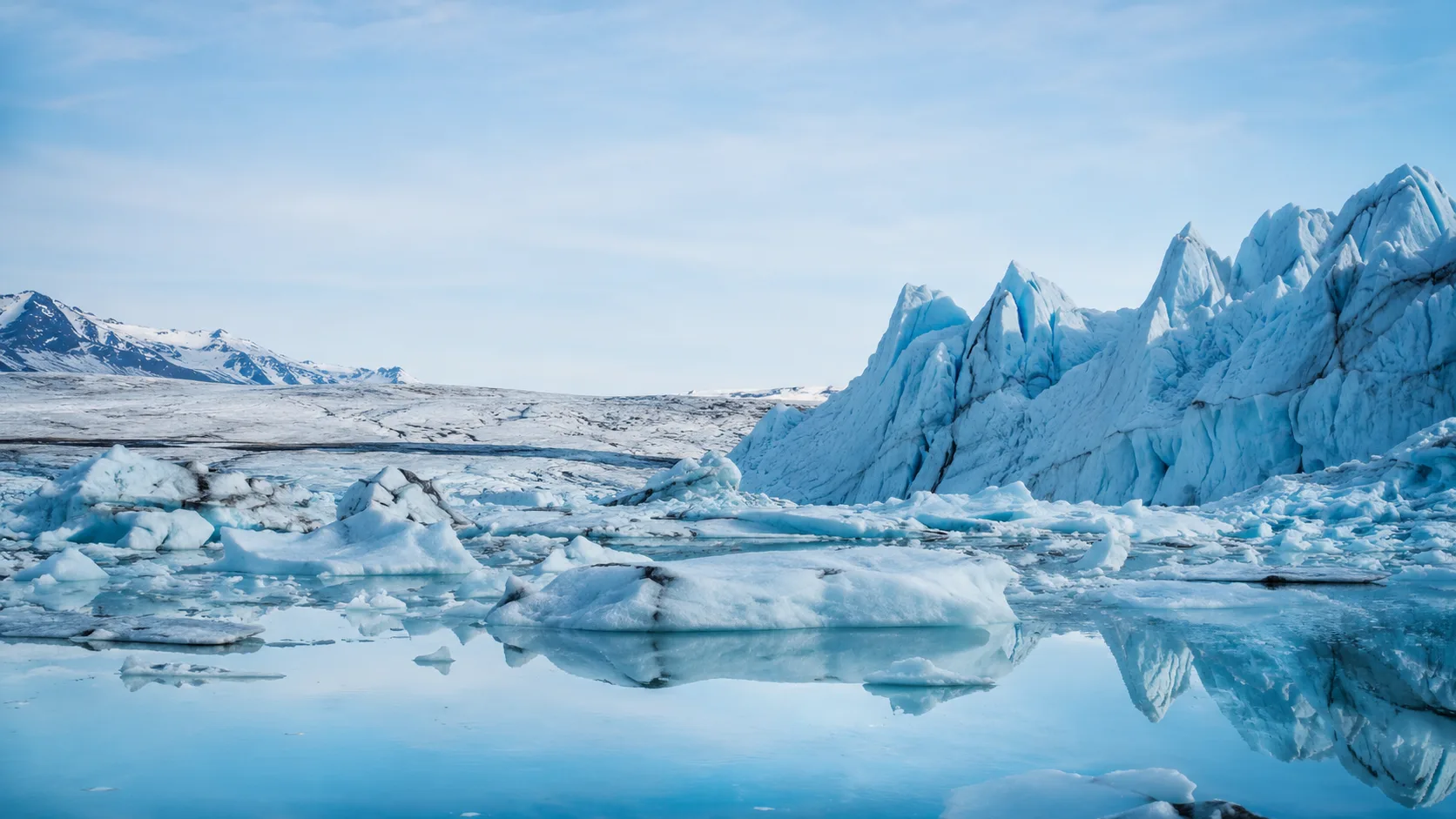
Chamonix to Zermatt under ten 4,000m peaks — the great Alpine traverse.
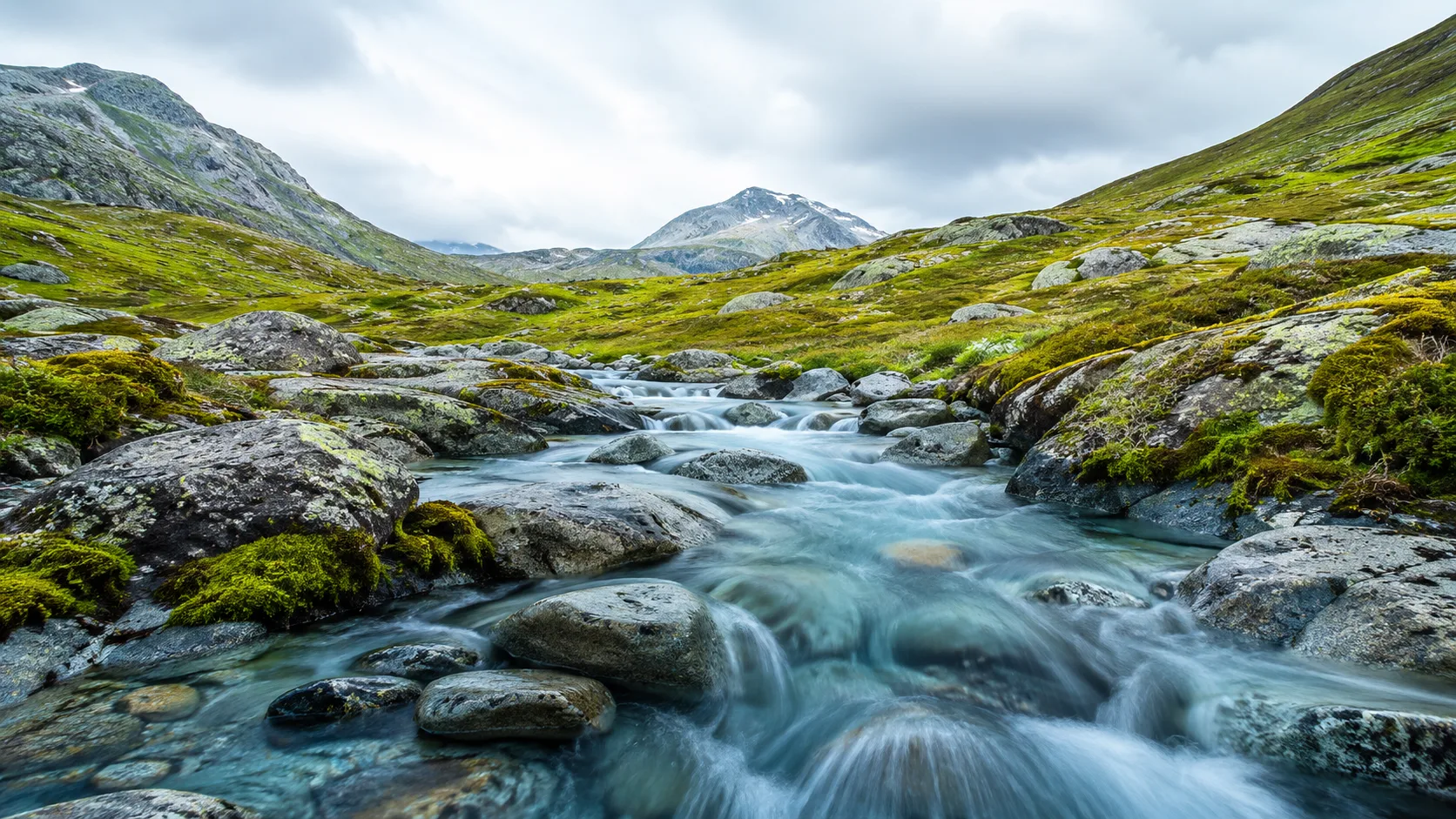
A wild, quiet crossing of Slovenia's Triglav National Park, hut to hut.
This is a moderate-to-hard trek. You should be comfortable walking 5–7 hours a day for nine days, carrying a light pack, with summit day reaching 1,340m of ascent. We tell everyone to train for three months — regular hill walks, some stairs, a few back-to-back days. If you can do a long hilly day and feel good doing another the next morning, you're ready. We're glad to talk through your fitness before you commit.
No. The entire route, summit day included, is walking and occasional easy scrambling on a marked path — no ropes, no harness, no via ferrata. There's some exposure on the final summit ridge, meaning steep ground beside the trail, but the path itself is straightforward and your guides brief and pace it carefully. If you've hiked steep mountain terrain before, you have everything you need.
Absolutely — roughly half of every group books solo, and the shared-walking, shared-hut format makes a trekking group close fast. There's no single supplement: hut accommodation is dormitory or twin-share by default, and we pair solo travellers of the same gender. If you'd prefer a private room on the nights it's available, we can arrange that for a small surcharge.
Bring your own broken-in boots, a daypack, walking poles and layered clothing — a full packing list goes out the moment you book. The rifugios provide blankets and pillows, so a lightweight sleeping-bag liner is all you need for sleeping. We can arrange rental of poles, packs and shell jackets in Ortisei if you'd rather not fly with them. The one rule: never bring brand-new boots on Day 1.
The $450 deposit is non-refundable; the balance is fully refundable if you cancel more than 60 days before departure, 50% between 60 and 30 days, and non-refundable inside 30 days. Comprehensive travel insurance that covers trekking to 3,000m and mountain rescue is mandatory — we'll ask for your policy number before departure, and we recommend buying it the same week you book.
A maximum of 12 walkers, with two IFMGA guides — a ratio of one guide to six. That keeps the group nimble at the cols, easy to seat together at the huts, and small enough that the guides know everyone's pace by Day 2. A departure runs with a minimum of 4 guests; in eleven seasons we have never cancelled one for low numbers.
Hold your place with a $450 deposit, or send us a question first — a real guide answers, usually within a day.
● 4.9 / 5 across 2,104 reviews · 38,408 travelers hosted since 1994