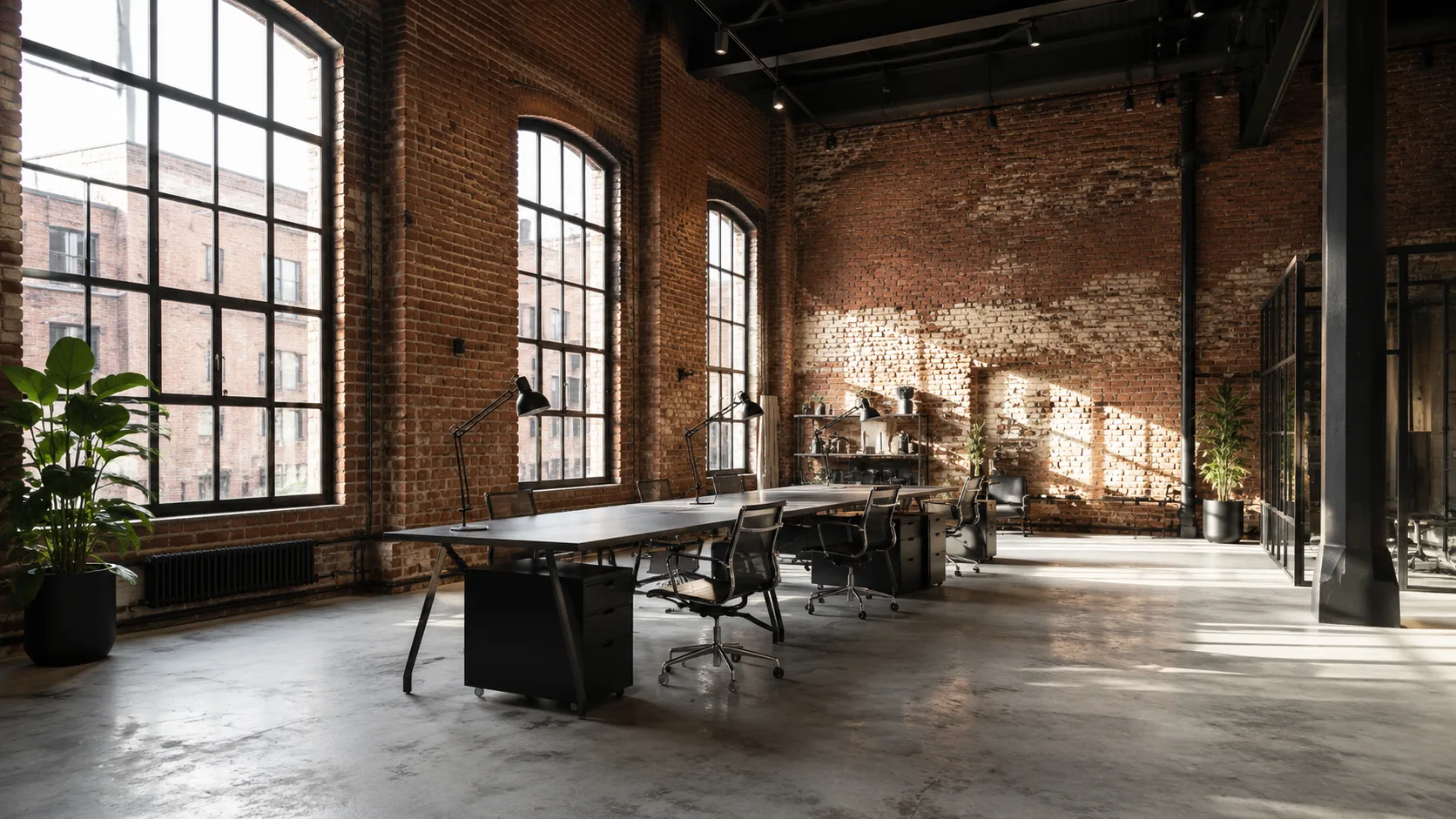
The Brooklyn Engineering Salon is one talk, one Q&A, and a long open hour, in a loft in Williamsburg. Free with RSVP. No pitches. 28 evenings held, no two alike.
A talk on how a single arbitrary 5-minute window — chosen for a 2014 cron job — quietly shapes the latency budget of the system it was bolted on top of, a decade on.
The salon began in 2022 when seven of us realized we had nowhere to ask each other small honest questions. The format has stayed essentially the same since.
If you've never come before: arrive at 18:00 if you'd like to introduce yourself, or any time before 19:00. The room is welcoming to non-engineers, though the talk assumes the room can read code.
A week before each salon, we send a one-paragraph email — usually a paper, a blog post, or a postmortem — to set the conversation. Reading it is optional. About 60% of attendees do.
Drawn from the alumni list, the NY engineering community, or a friend-of-the-host. Talks are 25–40 minutes. Slides are allowed; demos are encouraged; pitches are not. The speaker is asked to leave 30 minutes for questions.
The room rearranges. Two pies of pizza from Roberta's, hummus from the corner, sparkling water. People talk in small clusters; the speaker is somewhere in the room, generally near the bar.
Elevator from the lobby (Berry side) — fully accessible. Single-stall gender-neutral restroom on the floor. Sound loop installed in '24 for the front three rows. Email [email protected] for anything else.
No logos on the screen, no sponsor pitches, no booths. Just three companies that quietly keep this thing free. Thank you.
Brightwave has covered the Atrium rental every month since Salon No. 09. Their engineers come to the salon, but never present.
Papercut keeps the kegs full and the seltzer cold. They opened a Greenpoint office last year — quietly the salon's biggest little patron.
Halcyon springs for the two — sometimes three, on a hungry crowd — pies from Roberta's at 20:15 sharp.
There are 110 seats. RSVP opens the Friday before each salon at noon, and typically fills inside four hours. We hold 14 seats for the waitlist, released the morning of.
Add your name to the list. We hold the seat for an hour after doors — if you can't make it, please cancel so a waitlister gets in.
If RSVPs are full, join the waitlist. Last month we released 19 seats from the waitlist; the month before, 7.
Our monthly note (one paragraph, the reading link, the RSVP link) goes out the second Wednesday of each month. 3,140 subscribers; no other emails.
"My first time, I knew no one. I left talking to four people about a Postgres bug none of us could reproduce. I have come back every month since."
"You can tell within five minutes whether a room is performing or talking. This room talks."
"There is something deeply old-fashioned about this. Two pizzas, one talk, no agenda, no slides on a JIRA roadmap."
"I have met four people through this room who I now consider close friends. We text about our jobs the way we used to text about our exes."
"I'm not an engineer. I came as a friend's plus-one. I understood maybe half the talk and a hundred percent of the room."
"The Wednesday after Daylight Saving 2024, fifteen of us stayed until 23:30 arguing about hash maps. I think of that night often."
Need a person? Write to [email protected]. Replies within a day or two.
Yes — posted at bksalon.nyc/conduct. In four years and twenty-eight salons, we have enforced it once. The host that night asked the person to leave; they did. We don't take it lightly, and we never bury an incident. If anything happens, find a host (we wear a coral lanyard) or text the on-call number printed on your name-tag.
No. We keep one paragraph in the archive — written by the host the next morning — and that is the entirety of the record. The salon is built for being in the room. About six talks a year are explicitly off-the-record at the speaker's request, but in practice we treat them all that way.
A few rules. Photos of the speaker — fine if the speaker is OK with it, and we always ask at the top. Photos of the room — please don't include identifiable faces without asking. We don't allow flash, livestreaming, or recording. Phones away during the talk; this is the only request we actually enforce.
Anything technical is fair game — distributed systems, ML systems, type theory, accessibility, design tooling, on-call culture, the economics of open source. What we don't take: product pitches, hiring spiels, demo videos for company tools, partisan politics, and anything where the audience is treated as a marketing list. About 14% of talk proposals get redirected for this; it's the most common reason.
Welcome, genuinely. About one in eight attendees is a designer, PM, researcher, or partner of an engineer who came along. The content does assume the room can read code, but a curious non-engineer will follow most of it — and the open hour is for everyone. Come.
Email [email protected] with a paragraph: what you'd talk about, who you are, why now. We schedule about three months out and aim for a mix — half from people we know, half from people we've never heard of. We say yes to roughly one in nine pitches. We always write back.
Doors at six, talk at seven, snacks at twenty past eight, last call at ten. Free with RSVP, as always.