The Everyday Tee
$48220 gsm organic cotton
Flax is eight permanent essentials — tees, a knit, trousers, a dress — cut from organic cotton, European flax linen and responsibly clipped wool. No drops, no seasons to chase. Pieces you buy once and keep for years.
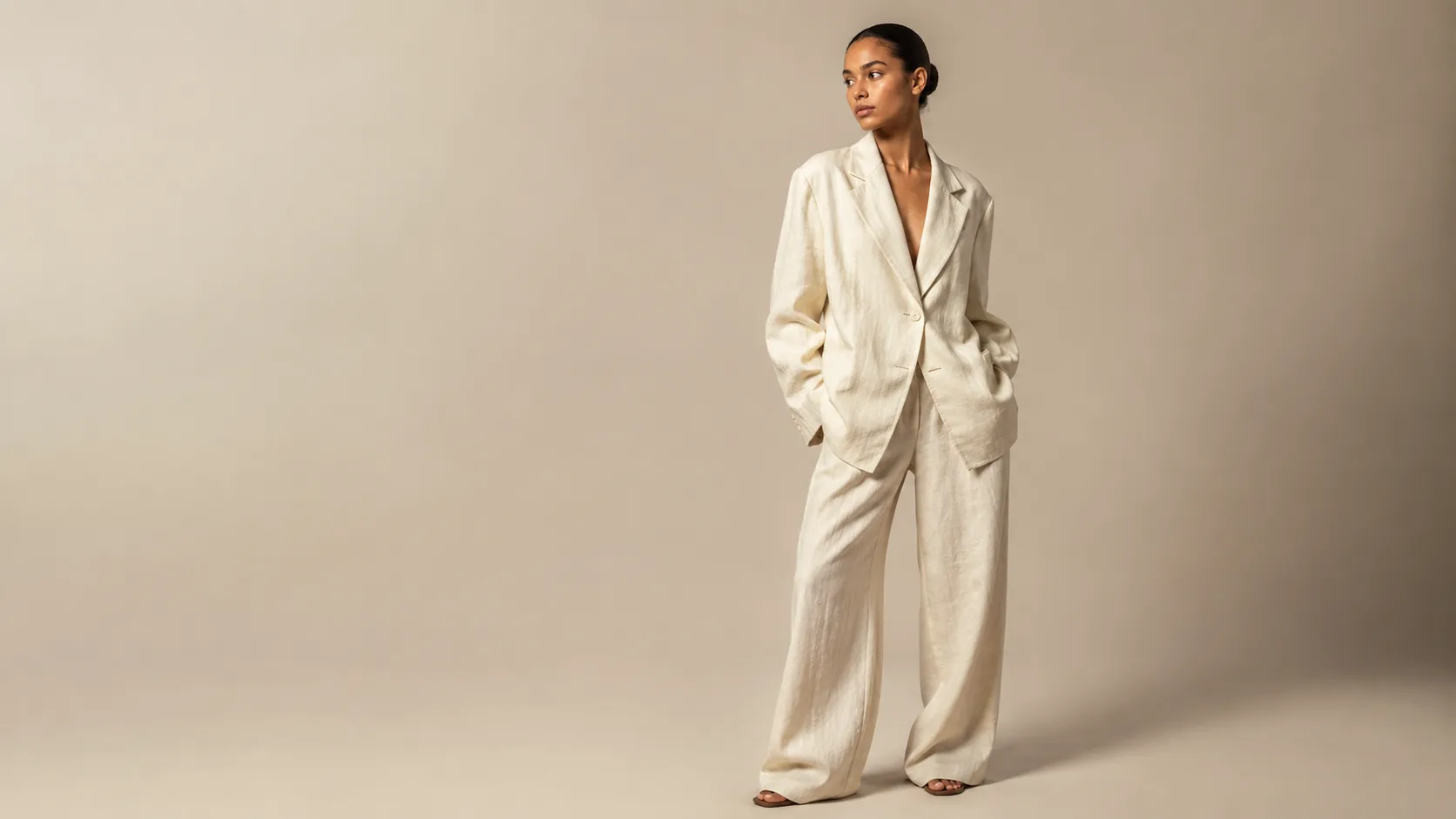
Campaign — shot on film, Provence No retouching

Spring — Provence, on 35mm
We don't follow seasons.
We just make better basics.
The Range
Each one stays in the range year-round. We restock — we don't redesign. Prices reflect the cost to make a piece well, plus a flat, honest margin.
220 gsm organic cotton
European flax linen
Responsible merino wool
Organic cotton twill
Washed flax linen
280 gsm organic cotton
Hemp & organic cotton
Brushed organic cotton
Every piece runs sizes XXS–XXL. Unsure of fit? Read the sizing & fit notes.
Shop all eightLookbook — The 2027 Range
Shot over two days near Arles — flat-lays on linen, fabric close-ups, and the pieces worn the way we wear them.
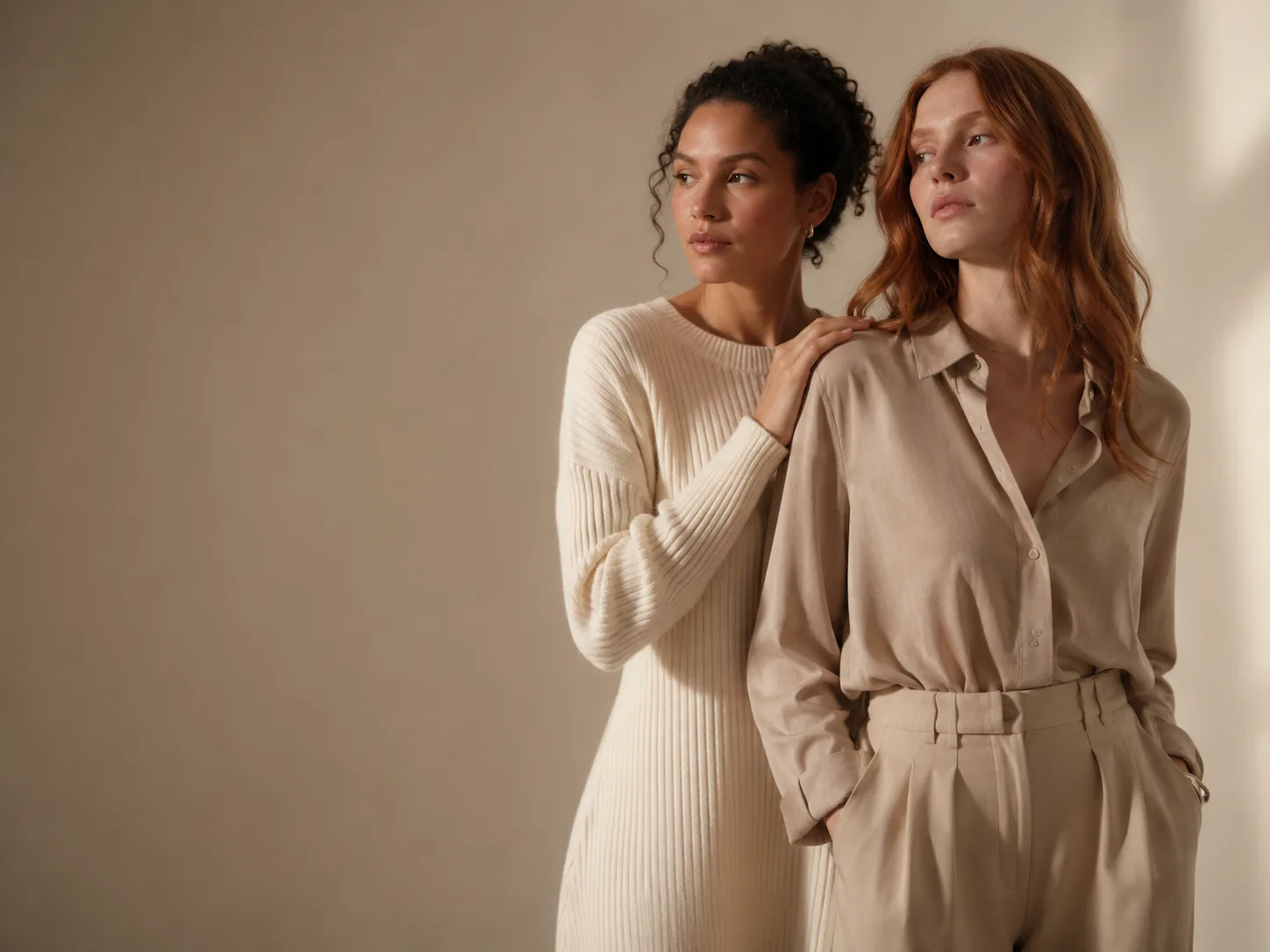
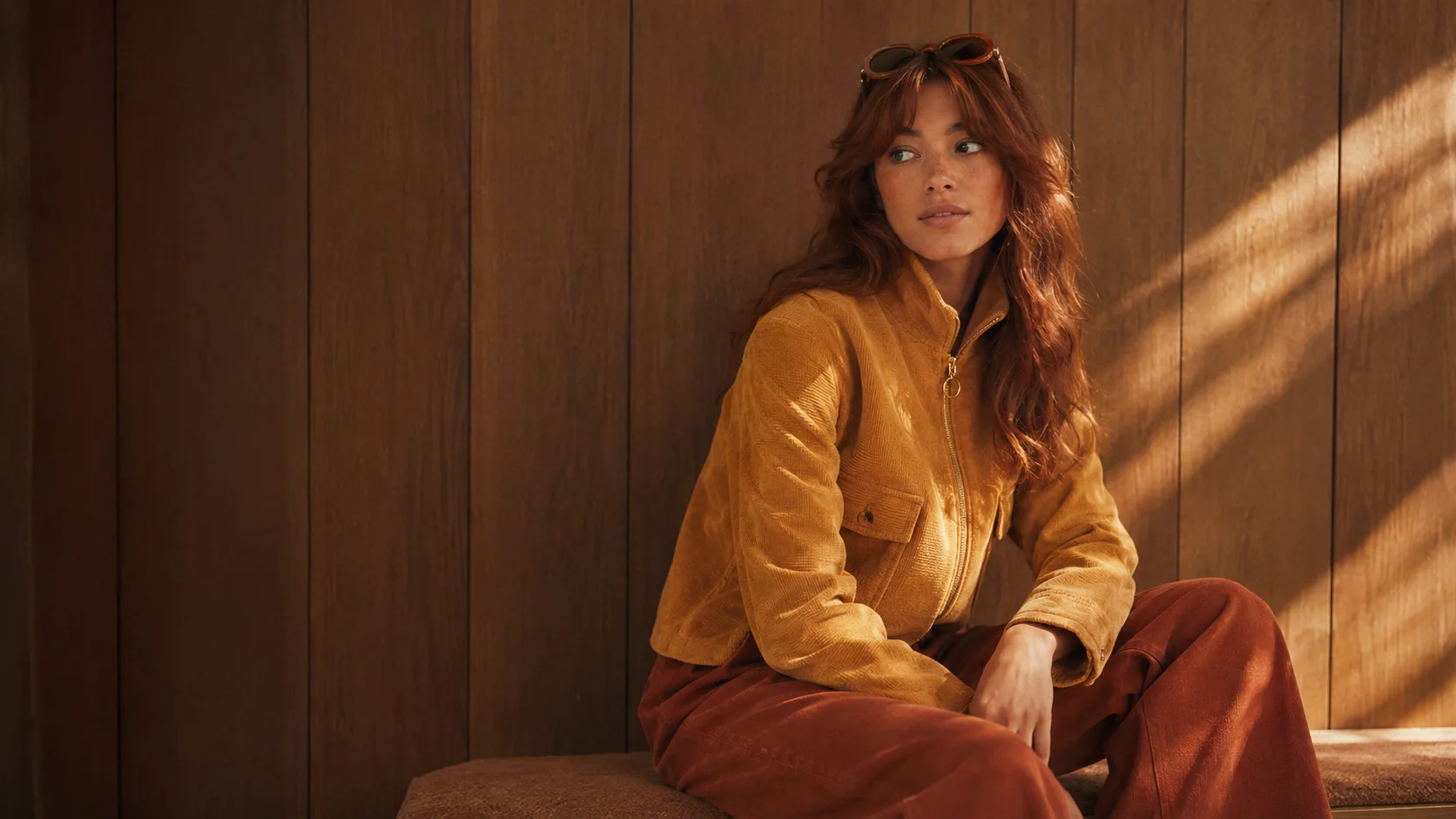

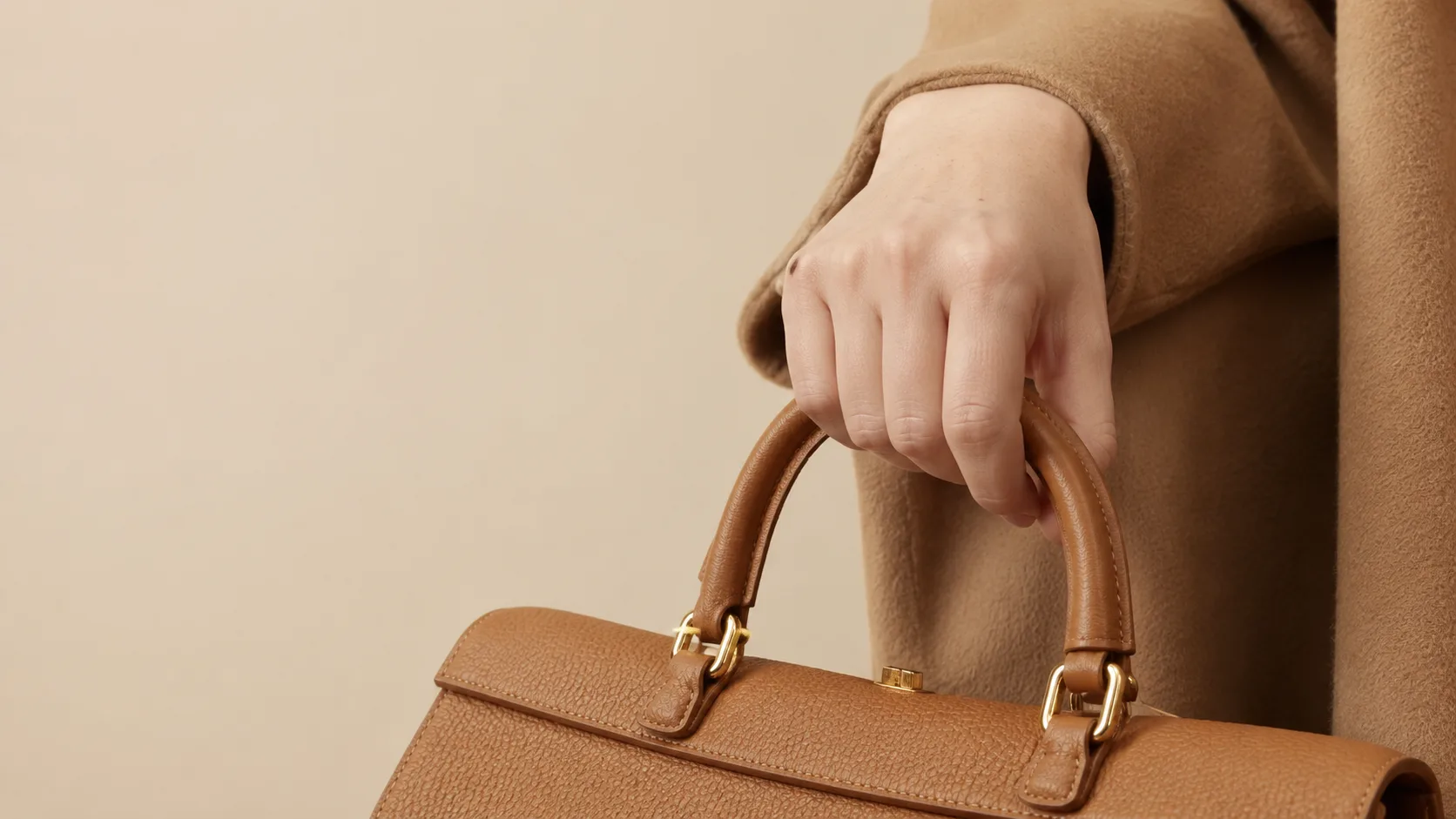
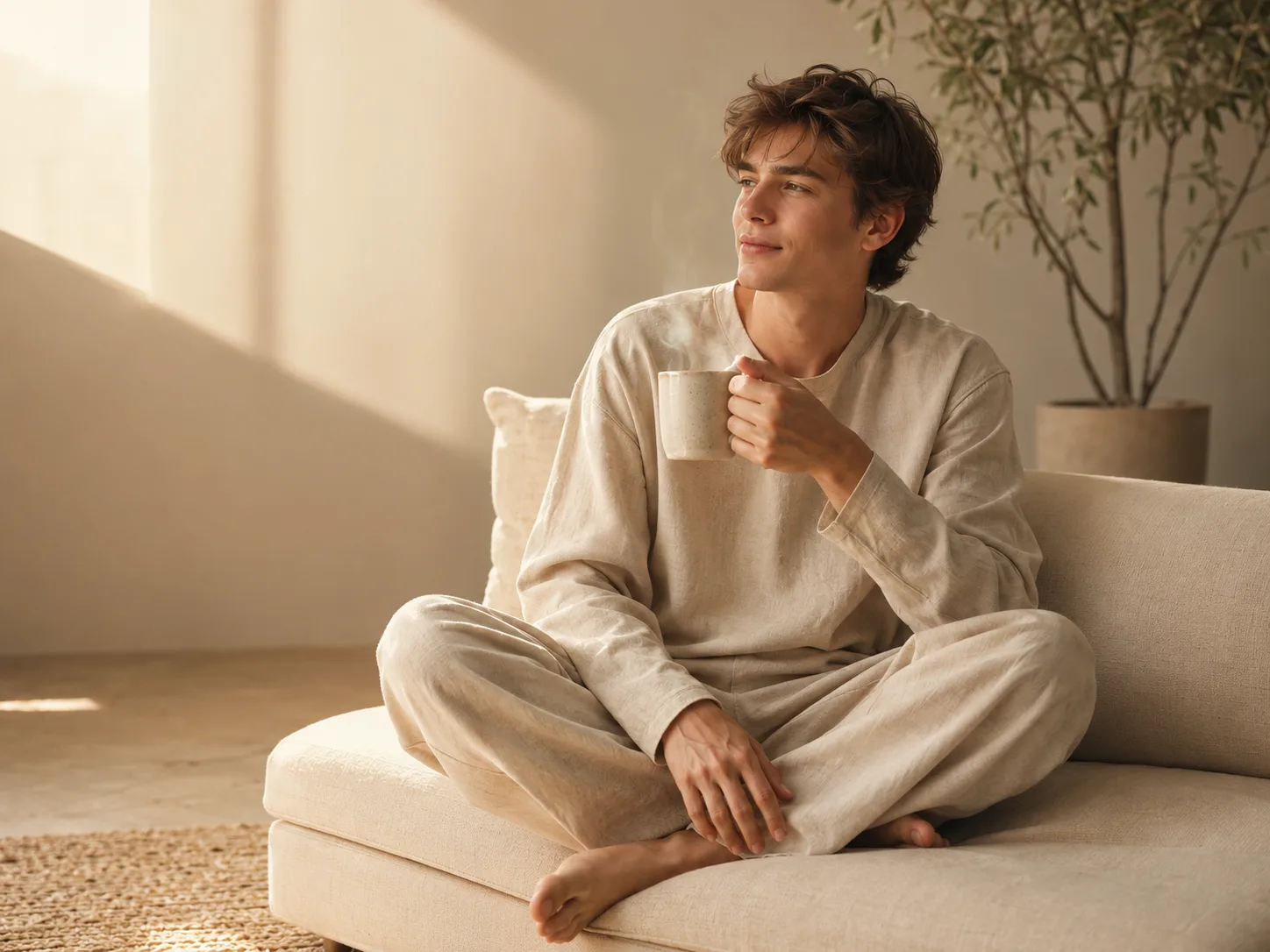
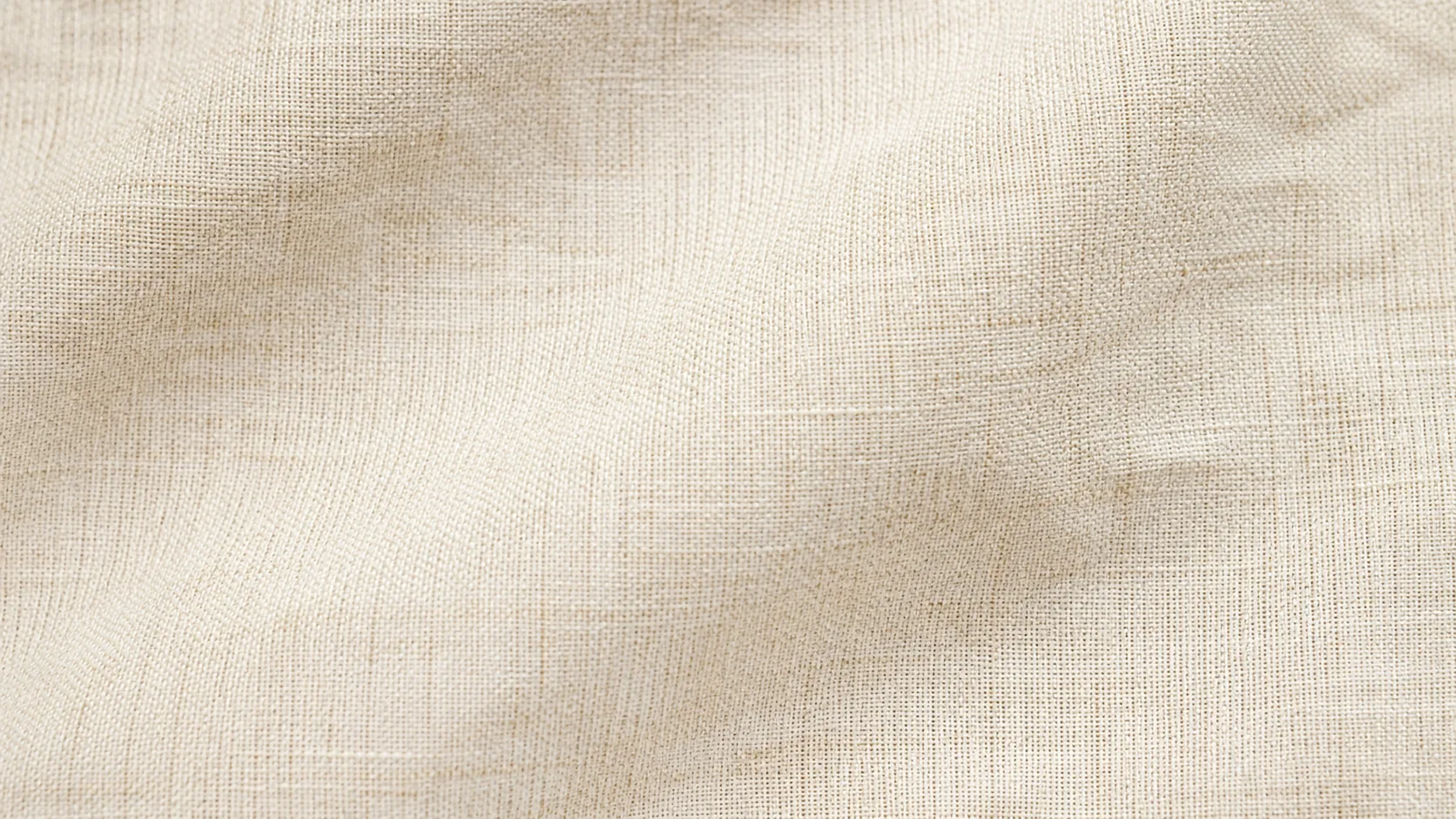
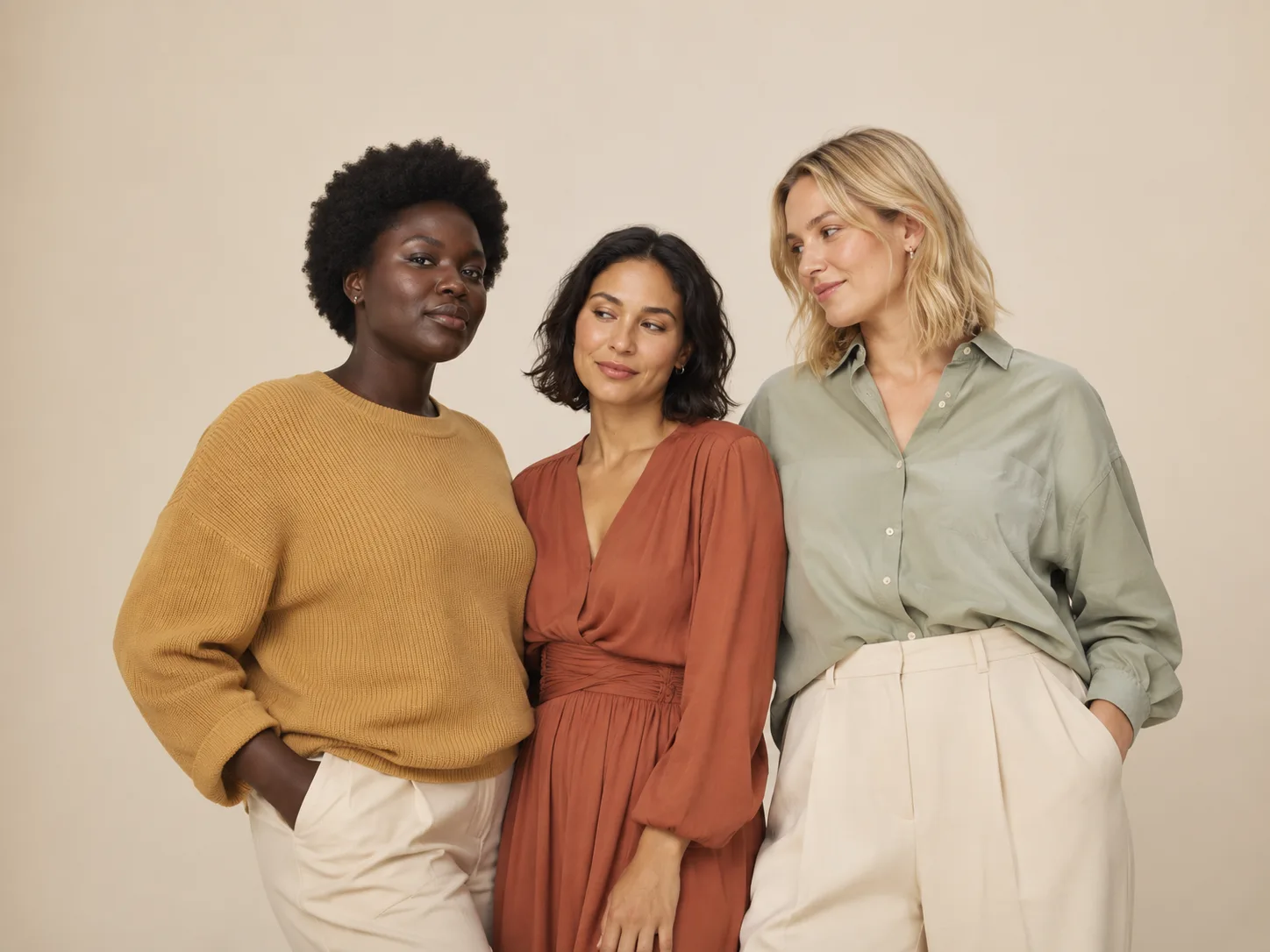

Provence — Spring, 35mm film
View full lookbookOur point of view

The fashion industry makes more than 100 billion garments a year, and a large share is worn fewer than ten times before it's thrown away. We started Flax because we didn't want to add to that pile. So we did the opposite of a fashion brand: we made the range as small as we honestly could.
Eight pieces. They don't expire in March. There's no autumn collection coming to make this one look tired. A Flax tee bought today is the same tee we'll sell in three years — same pattern, same mill, same price logic. When something wears out, we'd rather repair it than sell you a replacement.
We're not going to tell you a t-shirt will save the planet. It won't. The most sustainable garment is the one already in your wardrobe. What we can promise is honesty: the real fiber, the real factory, the real cost — printed plainly so you can decide for yourself. A small wardrobe, made honestly. That's the whole idea.
Marit Halvorsen & Tomás Ferreira
Founders, Flax
Radical transparency
Three things decide whether a garment is honest: the fiber, the mill that spins it, the factory that sews it. Here are ours, by name.
01 — Fiber
GOTS-certified organic cotton grown without synthetic pesticides, and European flax linen from rain-fed fields in Normandy — a crop that needs almost no irrigation.
02 — Mill
A family-run mill in northern Italy, spinning and weaving for us since 2021. Its dye-house runs a closed-loop water system — treated and re-used, not discharged.
03 — Factory
A 64-worker factory in northern Portugal. Living wages, a 35-hour week, and we publish our audit. We visit four times a year.
Per-piece impact — The Everyday Tee
2.1kg
CO2e — cradle to door
480L
Water — full lifecycle
0g
Plastic in the garment
94%
Shipped by sea, not air
Figures are an average per tee, measured by an independent lifecycle assessment in 2026. A conventional cotton tee of this weight is typically 2.5× the water and 3× the CO2e.
The true cost — The Everyday Tee
$48.00 retail
A traditional retailer would mark this tee up 5–8×. We hold a flat 24% — enough to keep the lights on and fund free repairs, nothing more.
Take-back & resale
Any Flax piece, any age. Mail it in with our prepaid label. We launder and mend what can be re-sold on Flax Renewed, and we fibre-recycle the rest with our partner in Prato. You get store credit either way — 20% of the original price.
The piece we're proudest of
A 220 gsm single-jersey knit in long-staple organic cotton, garment-washed so it arrives soft and won't shrink on you. Twin-needle hems, a taped shoulder seam that holds its shape, and a ribbed collar knitted in one piece so it never w-aves out. The fit is true — not cropped, not boxy, just clean.
Made to last 5+ years. The heavier 220 gsm knit resists thinning at the shoulders, the seams are double-stitched where stress lands, and if a hem ever goes, we'll re-sew it free. We'd rather mend this tee than sell you another.
Credits
Stockists & availability
Flax is carried by a small, deliberate group of conscious-living stores across Europe and North America. The full range is always online.
Find us in person
Eleven stores in seven countries carry the range. Our own studio shop in Porto is open Thursday to Saturday — come try a fit, see the fabric in daylight, and meet the team.
Sizing & fit notes
The Flax loop
A garment shouldn't end in landfill. We designed Flax as a loop — four steps that keep a piece in use, and out of the bin, for as long as possible.
Buy one piece, wear it hard. Our target is 200+ wears per garment — the point where a tee genuinely earns its footprint.
Cold wash, line dry, wash less. Every order ships with a care card; most of a garment's footprint is in how it's laundered.
A loose hem, a popped seam, a small hole — mail it to us. We mend Flax pieces free, for the life of the garment.
Done with it? Send it back. We re-sell it on Flax Renewed or fibre-recycle it — and you get 20% back in store credit.
3,140 garments repaired in 2026
1,890 pieces resold on Flax Renewed
0 garments sent to landfill by us
The Journal
Questions, answered plainly
No marketing spin. If you have a question we haven't covered, write to [email protected] — a person replies.
Three, all natural: GOTS-certified organic cotton, European flax linen, and responsibly clipped merino wool — with a little hemp blended into the Easy Pant. We avoid synthetics entirely. Polyester and nylon are plastic; they shed microfibres in the wash and don't biodegrade, which makes our take-back loop impossible to close. Natural fibers cost more and crease more, but they last, they're repairable, and at end of life they can be fibre-recycled or composted.
Honestly, we're cautious with the word — no garment is truly sustainable. We use it to mean something specific and measurable: a small permanent range so we overproduce less, natural fibers, a published lifecycle assessment for every piece, fair wages we can show you, and a loop that keeps garments out of landfill. We'd rather give you the real CO2e and water figures and let you judge than hide behind a vague green claim.
Wash cold, wash less, and skip the dryer. A cold cycle uses far less energy and is gentler on natural fibers; line drying keeps the knit from thinning and stops linen from going stiff. Turn tees inside out, use a mild detergent, and don't over-fill the drum. Wool usually only needs an airing, not a wash. Every order ships with a care card per fiber — follow it and a Flax piece should easily see five years and beyond.
Yes — any Flax piece, at any age, in any condition. Request a prepaid label and mail it in. Pieces still wearable are laundered, mended and resold on Flax Renewed; pieces past saving go to our fibre-recycling partner in Prato, Italy. Either way you get 20% of the original price back as store credit. Nothing we take back goes to landfill. It's the same loop on our Craft page — the fourth step.
Fabric is spun and woven at Tessitura Bracco, a family-run mill in Biella, Italy, with a closed-loop dye-house. Garments are then cut and sewn at Atelier Costa in Guimarães, northern Portugal — 64 people, a 35-hour week, living wages, and a third-party social audit we publish in full. We visit the factory four times a year. Knitwear is finished by a 12-person workshop in Vilnius, Lithuania.
Start with the Everyday Tee, or take the whole small range. Bought once, repaired free, taken back at the end — the way clothes used to work.
Free EU shipping over $120 · 30-day exchanges · Repairs for life